The Emotional Side Of No Longer Being Needed By Your Children
Your kid stopped calling for advice, and something in you deflated before you could name it, so here is what that feeling actually means and what to do next.
By Margaret Hale, Travel & Lifestyle Editor
Updated · 17 min read
- Written by our travel & lifestyle editor
- How we review

She used to text you a photo of every rash, every dented bumper, every confusing email from a landlord. Now she handles it herself, and you found out about the landlord thing weeks later, in passing, like it was nothing.
That gap between "they needed me" and "they didn't" rarely announces itself. It shows up sideways, in a phone that stays quiet, in advice you rehearsed and never got to give. Nobody prepares you for it. Below are the moments that trigger this feeling, why they hit so hard, and how to build a version of yourself that doesn't depend on being needed to feel steady.
1The Phone Call That Used To Come Every Day

There was a stretch of years when the phone rang or buzzed at almost the same time daily, and you built a small habit around answering it. That habit is gone now, replaced by something looser and less predictable. The change itself is not the wound. The meaning you attach to it is.
A daily call was never really about the content of what got said. It was about a young adult who still needed a sounding board for ordinary decisions, the kind that feel large when you are new to making them alone. Once those decisions stop feeling large, the call naturally stops being daily.
Try measuring the relationship by whether they still turn to you at all, not by how often. A friendship that checked in constantly at the start often settles into something quieter and just as strong. The same is true here, even when it does not feel that way yet.
2When Advice Turns Into Interference

There is a specific moment, easy to miss from the inside, when a suggestion stops being helpful and starts being a burden someone has to manage. You are usually the last to notice it happening. Your child, meanwhile, has likely noticed for a while and simply stopped saying so out loud.
The test is not whether your advice is correct. It usually is, given how much you have lived through. The test is whether it was invited, because unsolicited advice tends to land as a comment on someone's competence, even when you meant it as care.
Before offering an opinion, ask yourself if they described a problem or asked a question. A description is not a request. When you catch the urge rising, try asking what they are already planning to do instead of stating what you would do, and let their answer decide whether more is welcome.
3Missing Them Is Not The Same As Feeling Unnecessary

These two feelings arrive together so often that people stop noticing they are separate things. One is about distance, about wanting a person physically near you again. The other is about function, about wondering whether you serve any purpose in their life at all.
Distance has a straightforward fix, even if it takes effort. You can close it with a visit, a longer call, a shared trip. The feeling of being unnecessary does not respond to proximity in the same way, because it is not really asking to be near you. It is asking to matter.
Separate the two before you act. If it is distance, plan something concrete and specific rather than vague. If it is the deeper worry about mattering, that calls for a different kind of attention, one aimed at your own sense of purpose rather than at closing physical miles.
4What Changes When They Stop Needing Money From You

Financial independence is the outcome every parent quietly hopes for, and when it arrives it should feel like success. Often it does, at first. Underneath that pride, though, sits a smaller and less flattering feeling, because paying for things was one of the last plain reasons they used to call.
A loan for a car, help with a deposit, a bridge between paychecks, these created natural contact that had nothing to do with sentiment and everything to do with logistics. Once someone stands fully on their own, that category of contact disappears completely, and nothing obvious replaces it.
Notice if you are quietly missing the role of provider rather than the person. If so, look for other ways to contribute that are not about currency at all, offering time, skill, or presence instead. Those forms of giving create contact too, just through a different door.
5The New Role You Get When Grandchildren Arrive
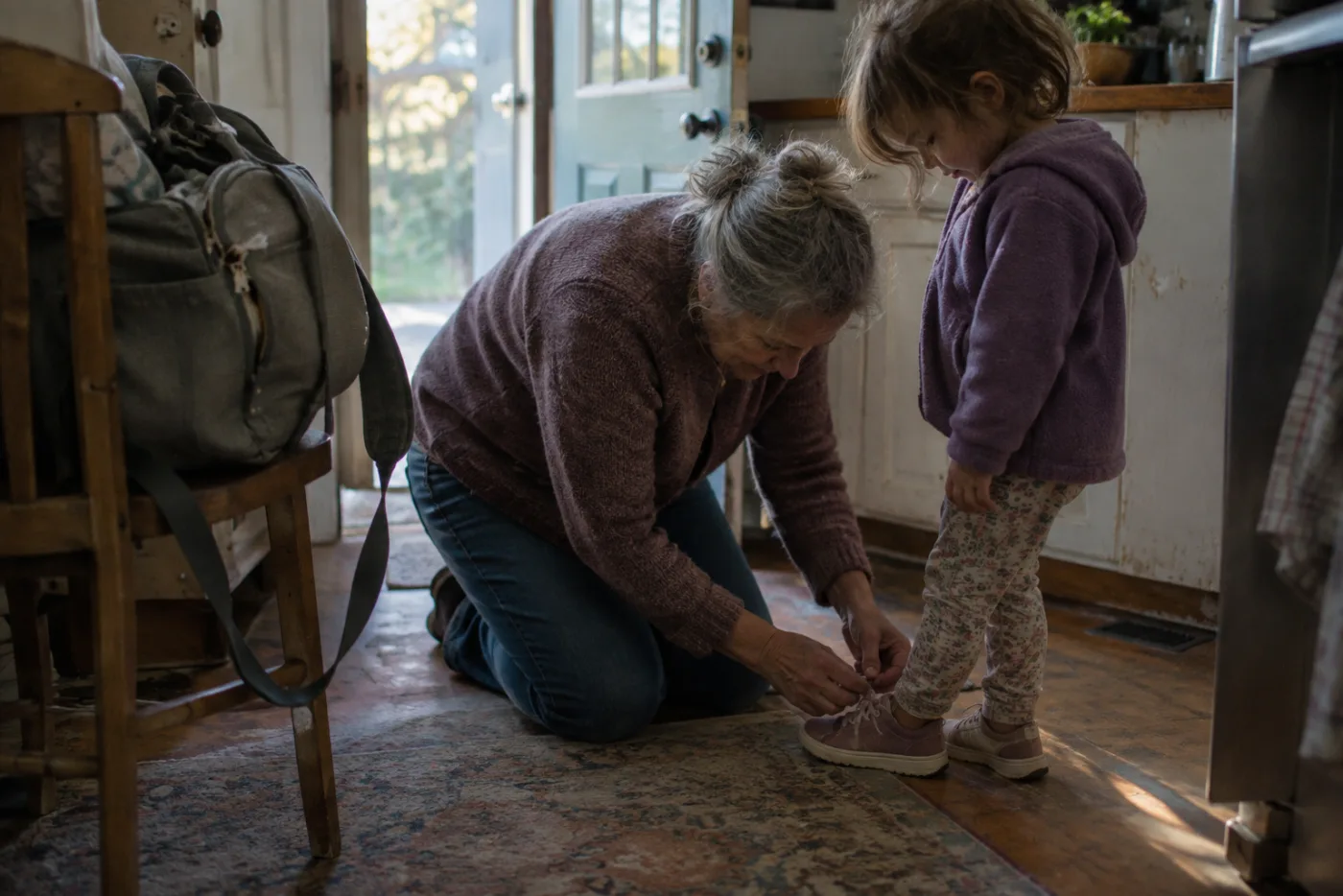
Something shifts the moment a grandchild is born, and it is not simply that you are needed less directly. You are needed differently, at an angle rather than head on, and your parenting instincts do not always know how to translate to the new position.
The instinct to step in and manage a crisis served you well for years. As a grandparent, that same instinct can read as overreach, because the authority now belongs to someone else in the room. Learning the angle takes longer than most people expect, and mistakes along the way are common.
Offer support that requires an invitation rather than assuming your old role transfers automatically. Ask your child what kind of help would actually be useful to them right now, rather than what was useful to you at their age. The answer might surprise you, and it will almost certainly change with time.
6Why The Quiet Feels Different Than You Expected
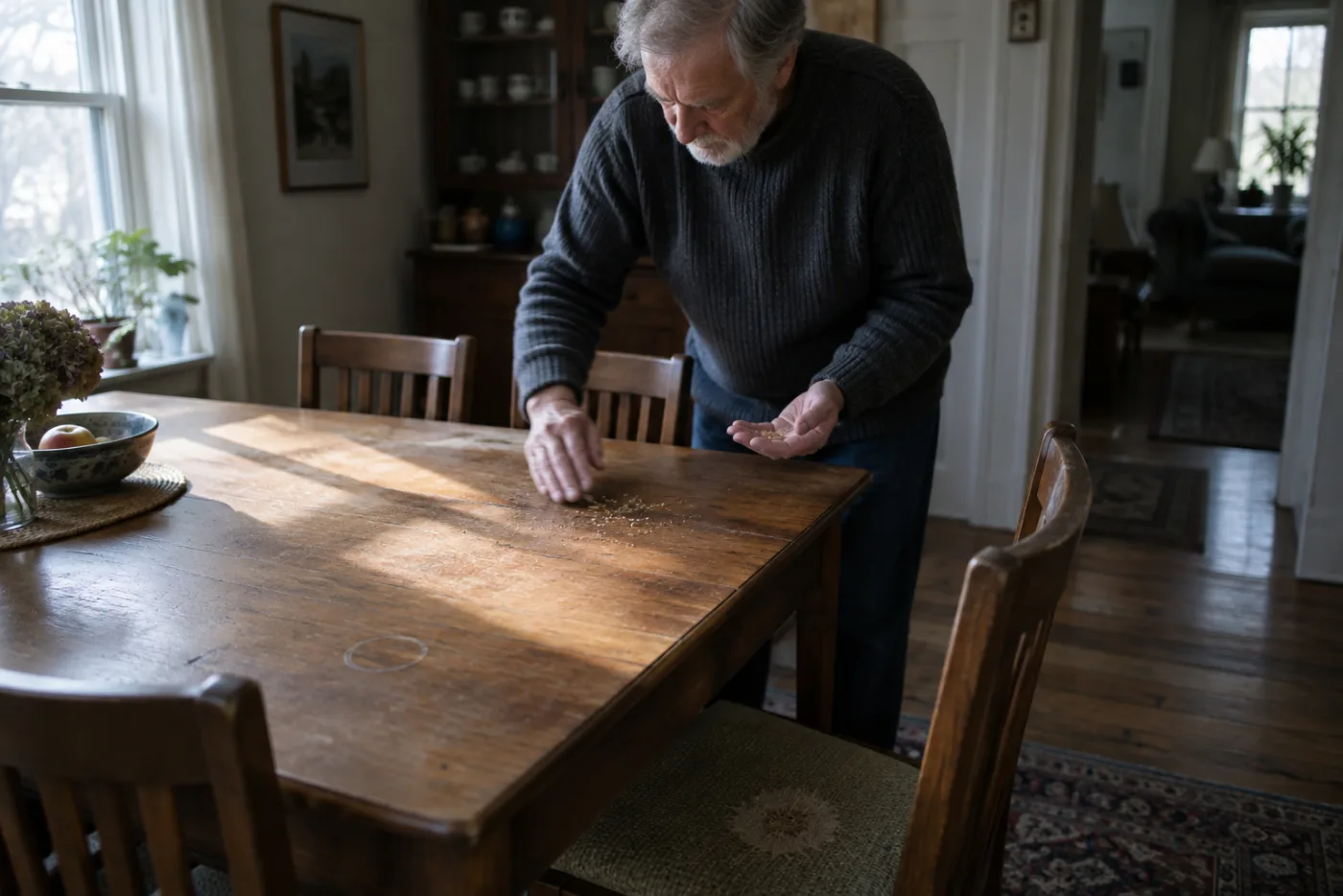
People prepare for missing their children as people, the voices, the faces, the specific way someone laughs. Far fewer prepare for missing the noise itself, the low background hum of requests and small emergencies that used to fill a house without you noticing it was doing so.
That hum was its own kind of company, even on days it was exhausting. Its absence does not announce itself the way a person's absence does. It just sits there, in the space where a question used to land, making rooms feel larger than they used to.
Naming this specifically helps more than naming it vaguely as sadness. Try identifying what exactly you miss, whether it is being asked, being consulted, or simply having someone underfoot. Once you can name the actual thing, you can look for it somewhere else instead of waiting for it to return here.
7When Your Child's Spouse Becomes The First Call

There comes a day when a piece of news reaches you late, not because anyone meant to exclude you, but because someone else has quietly become the first person your child dials. Often it is a spouse or partner, and often you learn about the shift only by noticing it in hindsight.
This can sting in a way that is hard to explain to anyone who has not lived through it. It helps to remember what it means structurally. A healthy new household places its own partner at the center of daily life, which is exactly the order a strong marriage requires.
Resist reading this as your name being crossed off a list. Instead, look at whether you are still included eventually, even if not first. Being told second, in a stable and loving family, still means being told, and that distinction matters more than the order of the calls.
8The Guilt Of Wanting To Be Needed

Somewhere along the way many parents absorb the idea that wanting to be needed is a flaw, something clingy or controlling that a mature person should have outgrown. That belief does more harm than the wanting ever could, because it turns an ordinary human need into a source of private shame.
Wanting to matter to the people you raised is not a character defect. It is close to universal, and pretending otherwise just pushes the feeling underground, where it tends to resurface sideways, as irritation or a sharper tone than the moment called for.
Give the feeling a name instead of arguing yourself out of it. Say to yourself, plainly, that you want to feel needed and that this is allowed. Once it stops being a secret, it stops driving your behavior in ways you do not fully understand, and it becomes easier to sit with calmly.
9Watching Their Life Unfold From The Outside
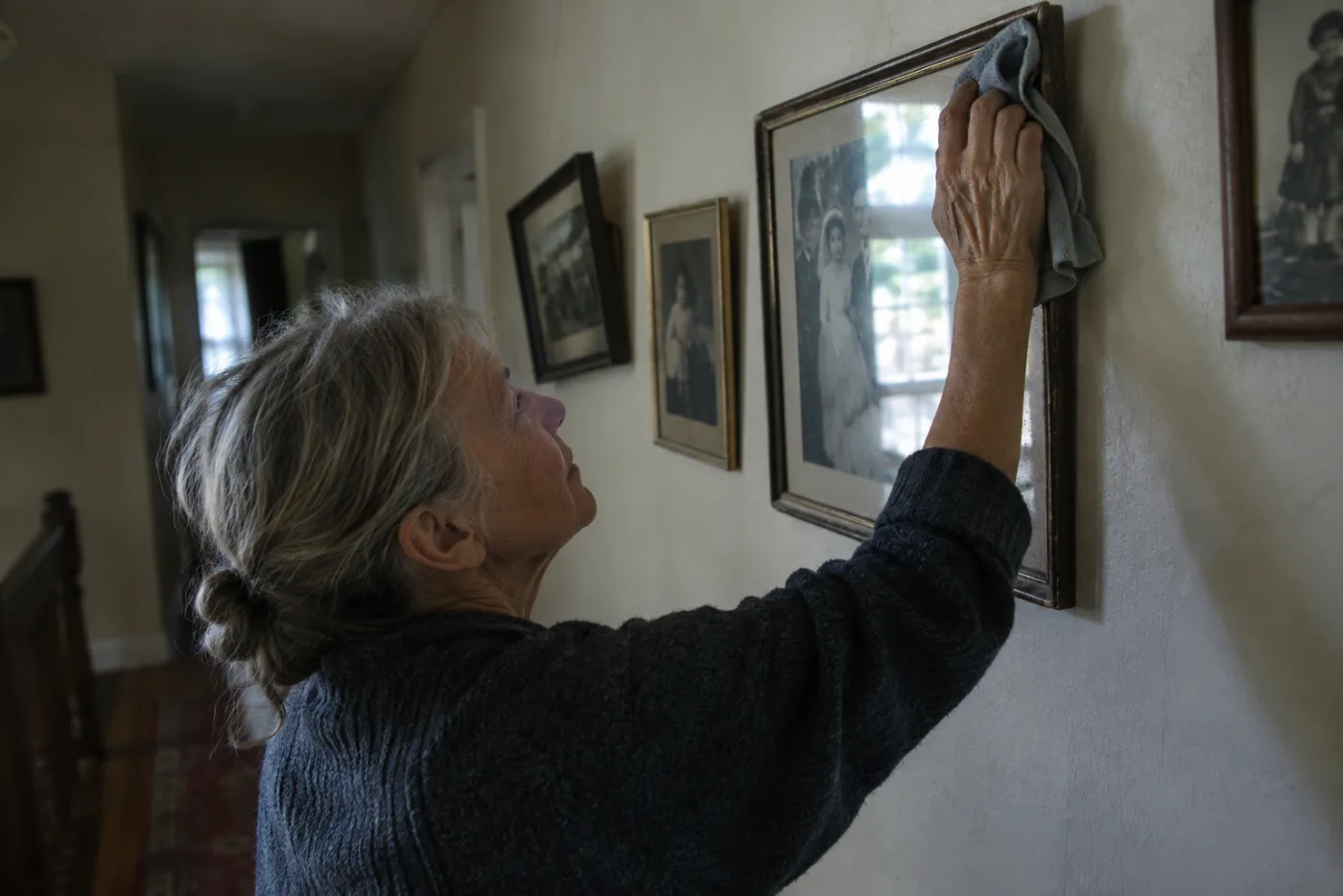
There is a particular strangeness to learning about your own child through the same channels a distant acquaintance might use, a photo posted somewhere, a mention passed along by someone else. You used to be present for the events themselves. Now you are often present for the record of them.
This is not always a sign of exclusion. Adult life moves fast and people report on it after the fact simply because there was no natural moment to call. Still, the gap between living through something and hearing about it later can feel like watching a play from behind glass.
If this bothers you, say so plainly rather than absorbing it silently. Ask to be told certain kinds of news directly, and be specific about which kinds matter most to you. A clear request is easier for anyone to honor than a hurt they were never told about.
10When You Have The Answer But No One Asked

You spent years collecting hard-won knowledge, the kind that only comes from having made the mistakes yourself first. There was a time your child mined that knowledge constantly, asking about jobs, money, relationships, every fork in the road. That mining has mostly stopped, and the knowledge sits there unused.
This is a strange kind of loss because nothing was taken from you. The expertise is still there, still accurate, still earned. It is simply no longer in demand from the one audience it was built for, which can feel like a skill going quietly out of season.
Consider where else that knowledge might be welcome, even if it is not your own child asking. A neighbor, a younger colleague, a niece or nephew navigating something familiar, all of these are legitimate places for hard-won judgment to land. The knowledge does not expire just because one door closed.
11The Comparison Trap With Other Parents

It rarely takes long in conversation for another parent to mention how often their grown child texts, and it takes even less time for that mention to sting more than it should. Comparing your relationship against someone else's daily-texting arrangement is a trap with no useful exit at the other end.
Every family runs on a different rhythm, shaped by distance, temperament, and history that an outsider never fully sees. A friend's constant contact might reflect closeness, or it might reflect an anxious dynamic neither of you would actually want. You are comparing a highlight reel to your own full footage.
When the comparison starts, redirect the question. Ask not how your contact stacks up against someone else's, but whether it is honest and steady on its own terms. That standard is harder to game and far more useful than anything measured against another family's habits.
12Redefining What It Means To Be Useful

For a long stretch of life, being useful and being a parent were nearly the same activity, so it is easy to assume that once the parenting need fades, usefulness fades with it. That assumption is worth examining closely, because it quietly ties your entire sense of worth to one relationship.
Usefulness is a much larger category than most people treat it as. It shows up in friendships, in community, in work, in the small services you offer people who are not related to you at all. Your children were one outlet for it, not its only possible address.
Make a short list of places, outside your family, where your skills or attention could matter right now. Then act on one item from that list this month. Spreading usefulness across several places protects you from feeling worthless the moment one source of it goes quiet.
13The Relief Hiding Underneath The Loss
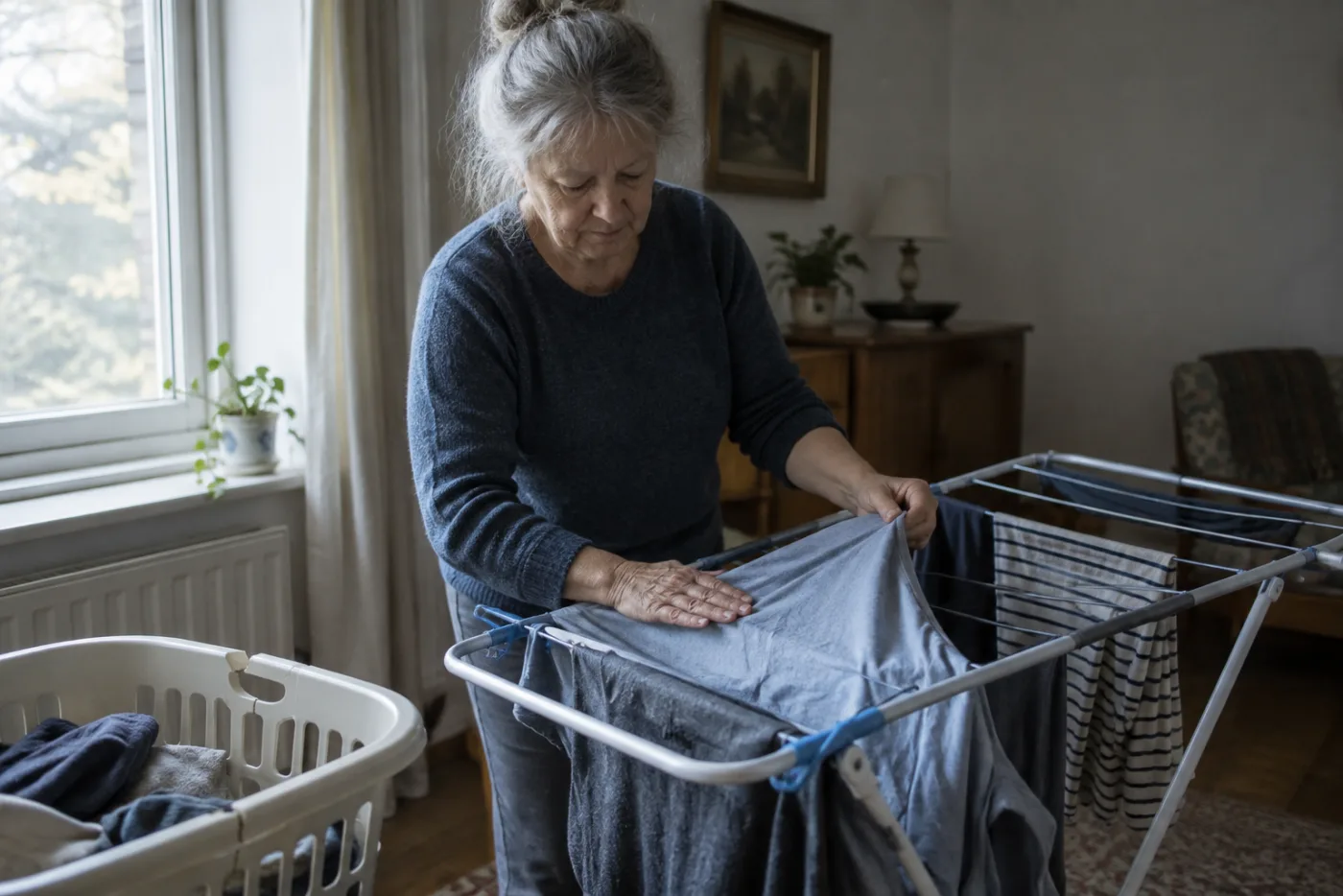
Nobody warns you that alongside genuine grief for the parenting years, there can be a real and steady relief that the heaviest lifting is finally over. Both feelings are true at once, and having them together does not mean you loved the work any less while you were doing it.
Relief carries its own guilt, since it can feel like an admission that parenting was a burden you are glad to set down. It was both a joy and a burden, often in the same hour, and finishing a hard job honestly can bring relief without canceling out the love behind it.
Let both feelings exist without forcing one to win. You can mourn the daily need and feel lighter without it in the very same breath. Trying to pick a single correct emotion here is the mistake, not the mixture itself.
14When Retirement Arrives At The Same Time

For many people, the working identity and the parenting identity wind down in roughly the same stretch of years, which means two sources of purpose can go quiet almost simultaneously. The result often gets labeled as one big loss, when it is really two separate ones layered on top of each other.
Treating them as a single problem makes both harder to solve. The end of a career asks different questions than the end of hands-on parenting, even though they can arrive wearing the same heavy feeling and land in the same season of life.
Separate them deliberately. Ask what you specifically miss about work, and answer that on its own terms. Then ask what you specifically miss about being needed as a parent, and answer that separately too. Two clear problems are more solvable than one vague, oversized one.
15The Holiday Gathering That Feels Different Now
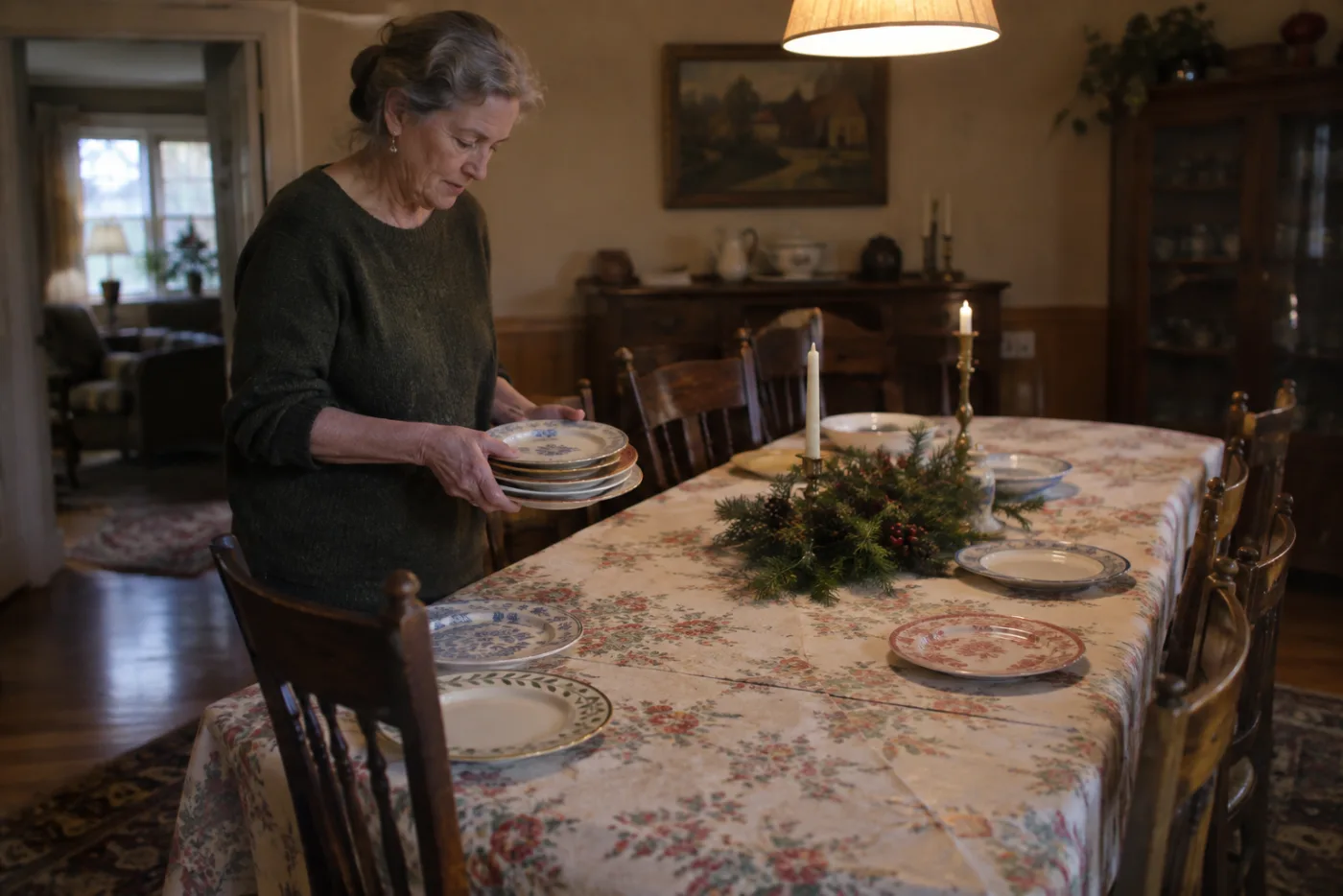
At some point the gathering stops being planned around your kitchen and your schedule, and starts being planned around someone else's, with you now on the receiving end of an invitation rather than the one issuing it. The food is the same. The seat at the head of the table is not.
This shift often happens gradually enough that nobody names it directly, which can make it feel more unsettling than a sudden change would. You notice who is asked to weigh in on the menu, who decides the timing, and who is simply told where and when to arrive.
Try treating this as a change in role rather than a demotion. Being hosted well is its own form of care, offered by people who learned it from watching you do it first. Accepting the new seat gracefully often opens the door to being asked for input again, on their terms.
16What To Do With The Instinct To Fix Things
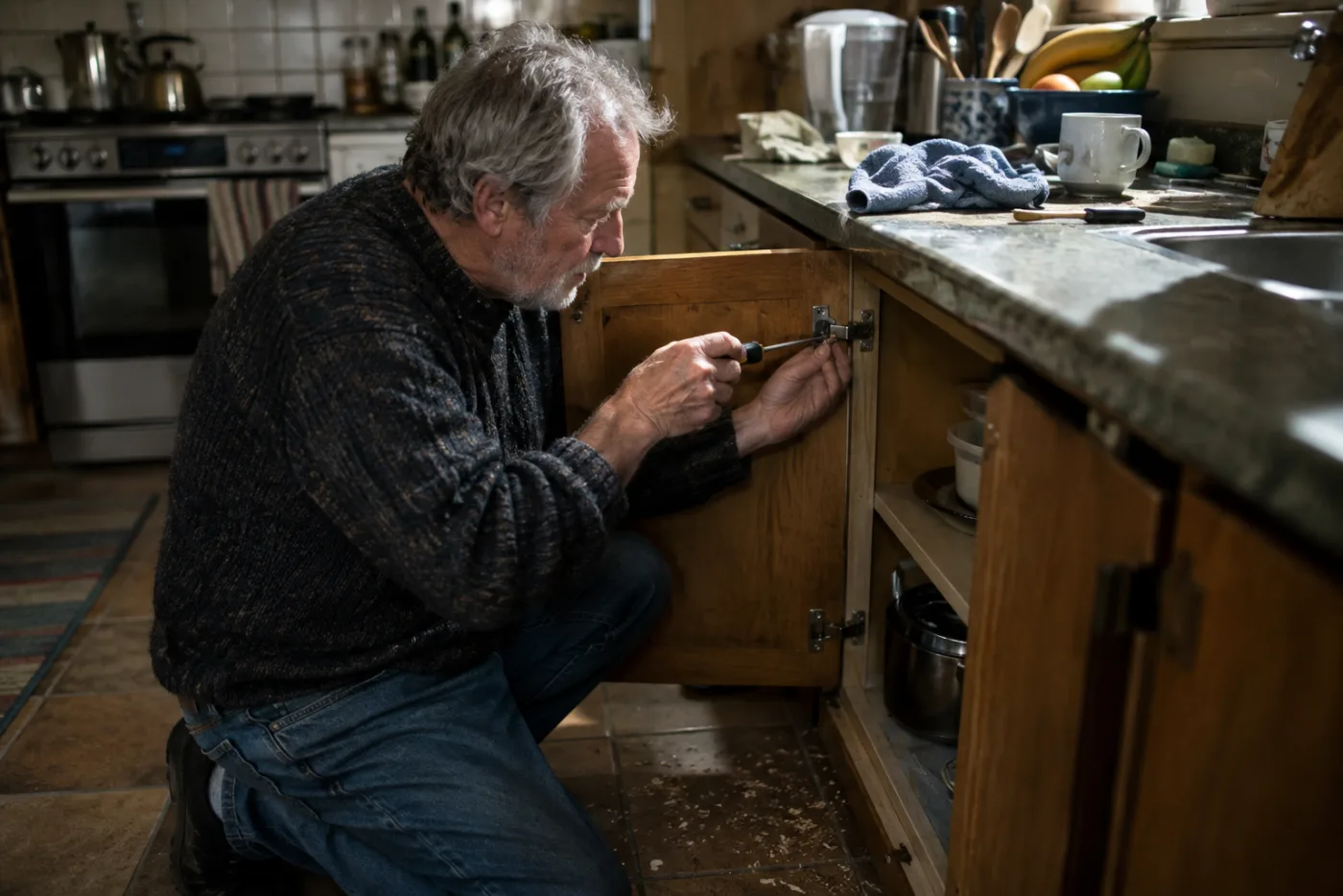
The reflex to jump in and solve a problem does not switch off just because the problem now belongs to someone who no longer wants your hands on it. That instinct built a career, a household, a family, and it does not disappear simply because its usual target has moved out of range.
Left with nowhere to go, the instinct tends to leak into places it is not wanted, showing up as unsolicited fixes for your child's minor troubles or as restless irritation when there is nothing at all to repair.
Give the instinct a different outlet on purpose. Volunteer for something with a genuine, solvable problem attached to it, a broken process at a local group, a friend's stuck project, anything with a clear fix and no family history attached. The urge to repair things does not need your children's permission to be satisfied elsewhere.
17The Room That Stays The Same Long After They Leave

Most families keep a room exactly as it was for a while, and there is nothing wrong with that on its own. The trouble starts when the room becomes a way of avoiding a decision rather than a form of comfort, when the shrine outlasts its usefulness by a wide margin.
A room frozen in place can quietly signal, to yourself more than anyone else, that you have not fully accepted the shift that already happened. Every time you pass the door, the past gets reinforced instead of folded into the present.
Notice how the room makes you feel when you pass it. If it brings warmth, leave it. If it brings a small ache each time, that is a sign it may be time to let the space become useful for something else, on your own schedule and no one else's.
18Remembering How Your Own Parents Handled This

You lived through your own version of leaving home once, from the other side of exactly this equation, and your parents responded to it in a particular way that you likely still remember with striking clarity, whether that response was graceful or difficult.
That memory is a resource most people never think to use. If your parents handled your independence with warmth and restraint, you already have a working model to copy. If they handled it with guilt or pressure, you know precisely what not to repeat with your own child.
Spend a few minutes actually recalling the details, not just the general impression. What did they say, or avoid saying, that made the transition easier or harder for you. Then choose, deliberately, which parts of that pattern you want to carry forward and which parts end here.
19The Text Message That Says Less Than It Used To

A short text arrives, a few words, no punctuation, nothing that reveals tone, and you find yourself reading it four or five times trying to extract meaning that may not be there at all. Brief messages get treated like evidence when they are usually just brief.
This habit of over-reading single messages is common and almost always misleading, because texting compresses everything into a flat register that strips out warmth along with everything else. A short message from someone rushing between tasks looks identical to a short message from someone pulling away.
Judge the relationship by its pattern over weeks, not by any single message pulled out and studied on its own. If contact overall stays steady, let one clipped text pass without assigning it a verdict. Patterns tell the truth. Single messages, taken alone, rarely do.
20Learning To Wait To Be Asked
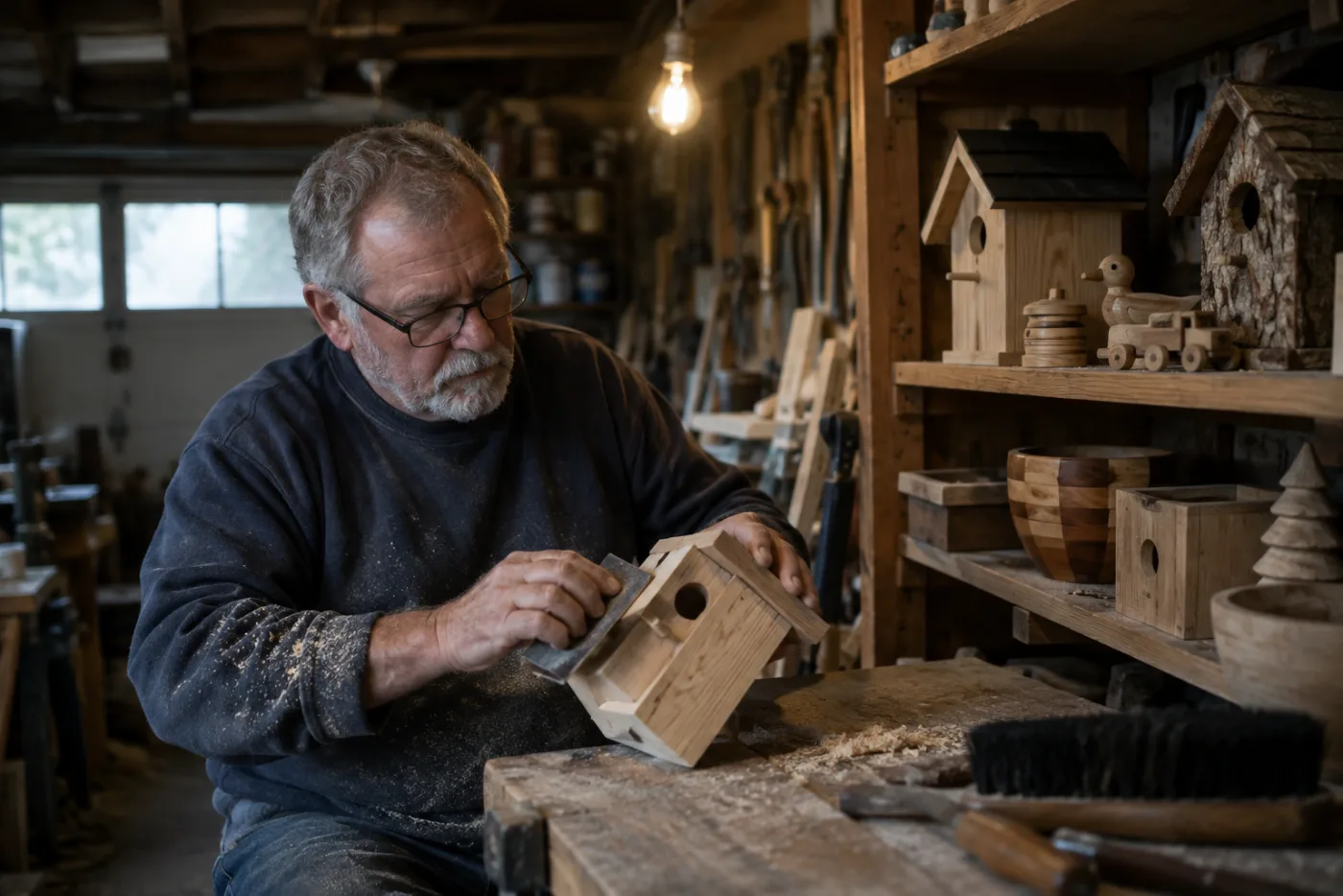
There is a real skill in waiting for a direct request before offering help, and almost nobody teaches it explicitly, which is why so many parents have to learn it the hard way, through a reaction they did not expect from someone they raised.
Waiting does not mean withdrawing or going cold. It means letting your child come to you first, even when you can see exactly what they should do, and trusting that they will ask if they actually want your input on the matter at hand.
Build the habit deliberately with a small rule, such as waiting a full day before commenting on anything you were not asked about. Most situations resolve themselves or get raised on their own within that window, and the trust you build by waiting tends to bring more requests, not fewer.
21When Siblings Split Their Attention Between Parents

When parents are divorced or simply live apart, adult children often end up dividing their time and attention between two households, and the arithmetic of that division can leave one parent feeling like the smaller share, regardless of how the child actually feels about either side.
This is rarely a reflection of preference. It is usually just logistics, distance, and the practical limits of how much attention one person can spread across two homes, two calendars, and two sets of expectations that were never designed to be balanced perfectly.
Resist treating this as a competition you can win. Instead of measuring your share against the other parent's, focus on making the time you do get count, through presence rather than through pressure. Competing for a bigger slice tends to shrink the whole pie for everyone involved.
22The Friendships That Fill In What Changed

It is tempting to treat friendships at this stage as a backup plan, something you lean on only because the main relationship changed shape. That framing undersells what is actually happening, because deepening friendships now is a genuine shift in where daily connection lives, not a lesser substitute for it.
Children were never meant to be a person's only source of daily contact, even though the demands of raising them often made it feel that way for years. Friendships can carry weight that family relationships were never built to carry alone, especially the ordinary, unglamorous weight of daily company.
Invest in one or two friendships the way you once invested in your child's daily needs, with actual time and attention rather than good intentions. Call first. Suggest the plan yourself. Treat the friendship as worth the same effort you used to give without thinking twice.
23Turning Back Toward The Person You Married

Somewhere in the years of being needed constantly, a marriage can quietly slide into autopilot, running on logistics and shared tasks rather than on attention. Nobody plans for this to happen. It simply happens, one packed schedule at a time, while both people are looking elsewhere.
The energy that used to go toward being needed by your children has to go somewhere now, and a partnership that has been coasting is often exactly where it can do the most good, if you are willing to redirect it there on purpose.
Pick one ordinary habit to rebuild together, a regular walk, a shared meal without a screen nearby, a standing plan that has nothing to do with the children at all. Small and repeated beats large and occasional here, and the redirection itself can feel like relief rather than effort.
24When Your Practical Knowledge No Longer Applies

There is a particular sting that comes not from being ignored, but from offering advice that used to be reliable and watching it land as outdated. The world your child navigates runs on different rules now, different tools, different norms, and your hard-won knowledge does not automatically transfer across that gap.
This is a different wound than simply not being asked. It suggests the knowledge itself has expired, not just the demand for it, which can feel more personal even though it is really just the ordinary pace of change doing what it always does.
Separate your expertise into what still holds and what has moved on, honestly and without defensiveness. Offer the parts that remain true with confidence. For the rest, let curiosity replace authority, and ask your child to explain how things work now instead of insisting on how they used to.
25The Days That Bring It Back Stronger Than Usual

The feeling of not being needed does not stay at a constant level. It spikes on particular days, often ones tied to milestones, transitions, or occasions that used to guarantee contact and now simply pass by like any other day on the calendar.
Recognizing which days those are ahead of time changes how they land. A feeling you saw coming is manageable in a way that the same feeling, arriving as a surprise, rarely is, because surprise adds a second layer of distress on top of the original one.
Keep a short mental list of your particular trigger days and plan something for yourself on each one, independent of whether contact comes or not. A plan of your own does not prevent the feeling, but it keeps the day from being defined entirely by someone else's silence.
26Finding A Role That Isn't About Being Needed

Every idea in this piece has circled the same question, whether you can rebuild a role once the old one changes shape. The most durable answer turns out to be the least intuitive one, a role that does not depend on anyone needing you at all.
Being needed is a wonderful feeling, but it is also, by definition, controlled by someone else's circumstances rather than your own. A purpose that depends entirely on another person's requirements will always be unstable, since those requirements are naturally designed to shrink as that person grows more capable.
Look instead for something you do because it matters to you directly, not because anyone requires it of you. Purpose built on your own terms cannot be withdrawn the way a phone call can, and it tends to outlast every stage of your children's lives, including this one.
The bottom line
None of this means you mattered less. It means the job changed shape. The parents who come through this well are the ones who find something to reach for beyond the phone that isn't ringing, something that's fully theirs, built for this stretch of life, not the last one.
Margaret Hale
Travel & Lifestyle Editor
Margaret has covered travel for 25 years and has ridden every long-distance train route in the U.S. at least once.
Get our Sunday email
Our best finds of the week. Free.
Most read
You might also like